
Biological Monitoring
What is Biological Monitoring?
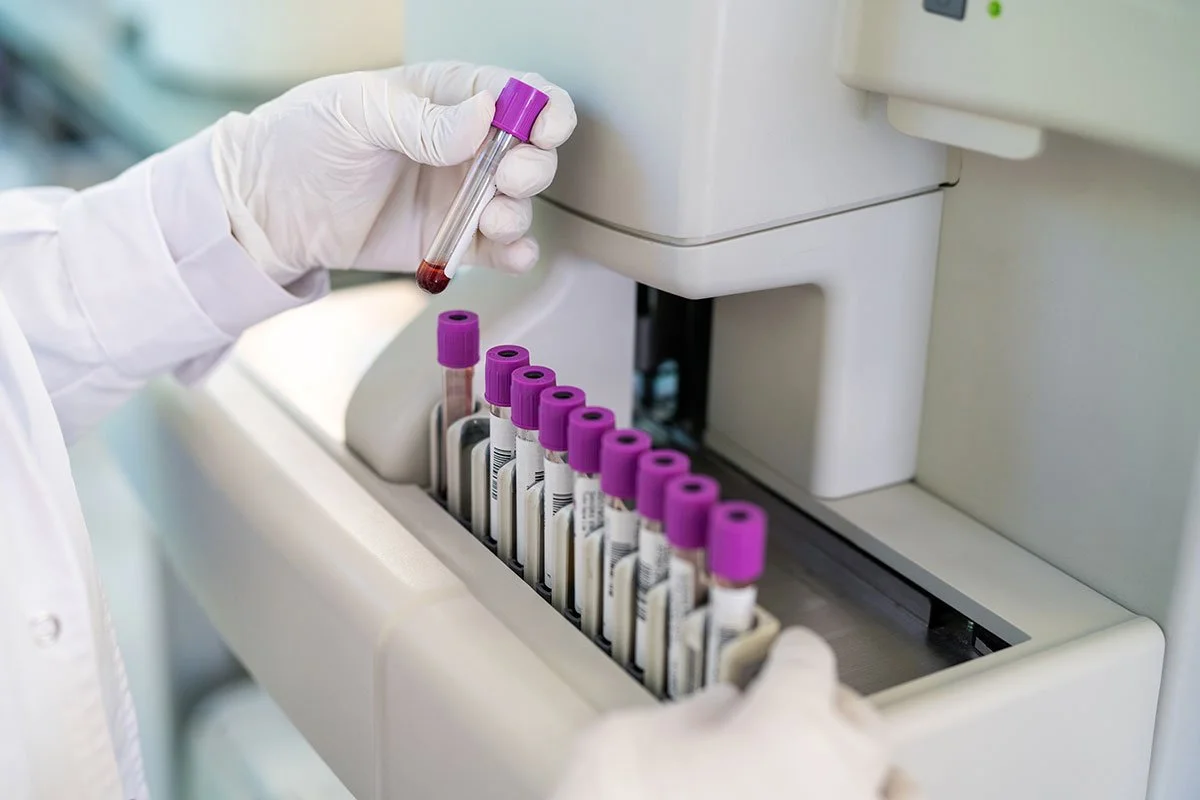
Biological monitoring is the measurement of chemical substances or their metabolites in a person’s biological samples, such as blood or urine testing, to assess workplace exposure to hazardous substances such as lead or mercury. It involves collecting samples, testing them in a lab, and comparing the results to guidelines to see if exposure levels are safe. This process provides direct insight into exposure levels and helps evaluate the effectiveness of exposure control measures. Biological monitoring is a critical component of occupational health programs, supporting early detection, risk assessment, and prevention of exposure-related illnesses.
The three main exposure pathways are:
inhalation (lungs)
dermal (skin)
gastrointestinal (ingestion)
Biological monitoring is not an acceptable substitution for preventing or controlling the hazard wherever possible. Where exposure cannot be avoided and biological monitoring is required either by law or employer standards, DriverCheck offers both blood and urine lab-based testing. The biological sample(s) used is dependent upon the chemical hazard(s). All testing results are reviewed by a qualified physician adhering to DriverCheck’s standard operating procedures. Data interpretation and next step recommendations are communicated to the employer and result distributed to the worker.