
Branden Kearse, Privacy & Compliance Coordinator, DriverCheck Inc.
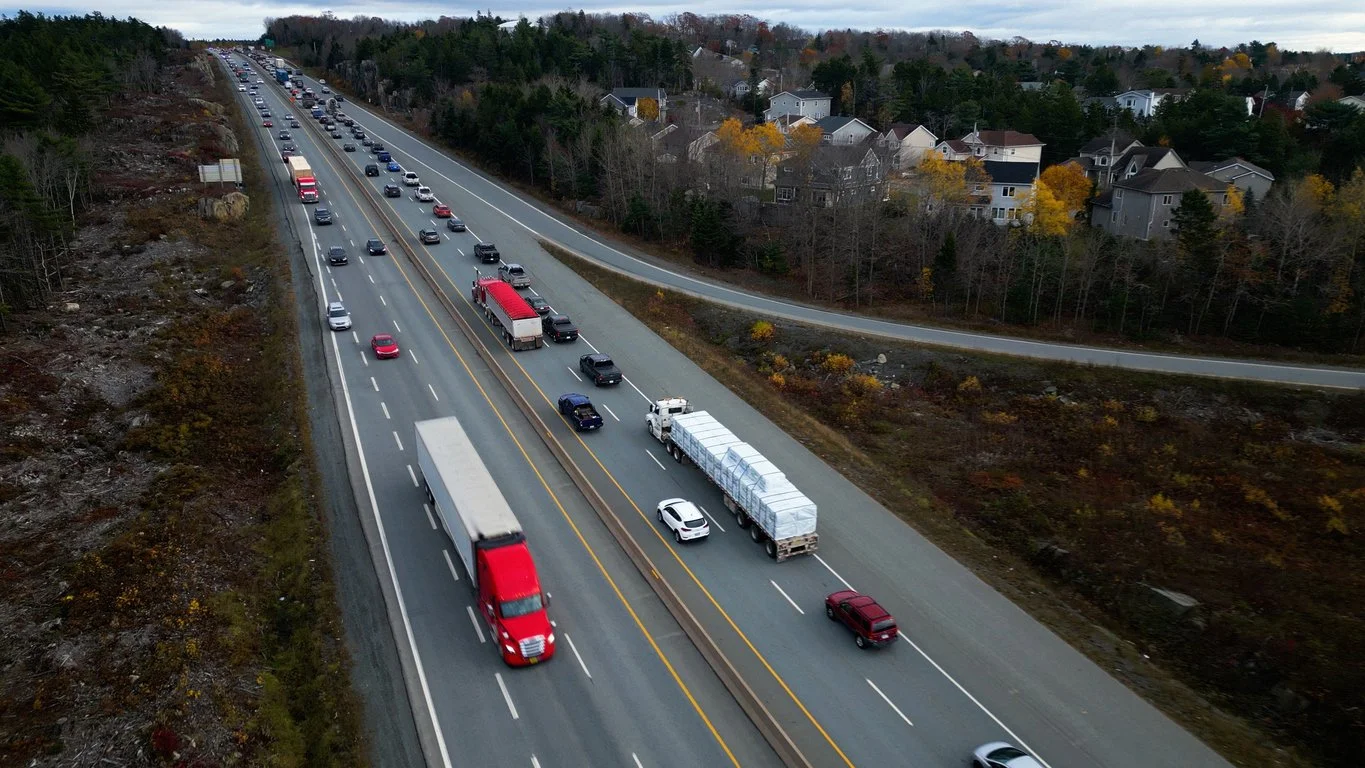
For employers regulated by the Federal Motor Carrier Safety Administration (FMCSA), a compliant random drug and alcohol testing program is a required part of operating a safety-sensitive workforce.
The rules are clear in principle. Drivers must be randomly selected for testing each year at the rates set by FMCSA. In practice, employers often encounter challenges that can affect compliance if the program is not carefully managed.
Below are some common issues employers should watch for when managing a DOT random testing program.
1. Misunderstanding the Required Annual Testing Rates
FMCSA establishes minimum random testing rates each year. Employers must test a percentage of their average number of driver positions, not simply a percentage of individual employees.
For example, if the drug testing rate is 50 percent, the total number of random drug tests conducted during the year must equal at least half of the average number of driver positions.
Tracking this correctly can be difficult when staffing levels change throughout the year.
2. Using a Selection Method That Isn’t Truly Random
FMCSA requires that random selections be made using a scientifically valid method, such as a computer-based random number generator. Each driver must have an equal chance of being selected every time a draw is conducted.
Manual methods or informal processes may not meet this requirement and can be difficult to defend during a compliance review.
3. Not Updating the Random Pool Regularly
The random testing pool must include all drivers who perform DOT safety-sensitive duties, and only those drivers.
Problems can arise when the pool is not updated to reflect:
New hires
Departing employees
Drivers temporarily removed from safety-sensitive work
Owner-operators or contractors joining the fleet
An inaccurate pool can lead to incorrect selection numbers and compliance gaps.
4. Conducting Selections Too Close Together
Random testing must be spread reasonably throughout the year. The purpose of the program is to create an ongoing deterrent, not a single testing event.
If selections are conducted too infrequently or clustered at certain times of the year, employers may fall short of this requirement.
5. Falling Short of Annual Testing Targets
Because selections are typically conducted throughout the year, employers must track progress to ensure they meet the required testing rates before the year ends.
Organizations sometimes discover late in the year that they are below the required percentage, which can create compliance risks.
6. Confusion When Drivers Are Selected More Than Once
A true random program means that a driver may be selected multiple times in the same year, while another driver may not be selected at all.
This is normal under a random selection process. Employers should be prepared to explain this to drivers and maintain documentation showing that the selections were conducted properly.
7. Managing Multiple DOT Programs
Some organizations operate under more than one DOT agency rule. In these cases, employees may be placed in a combined random testing pool.
When pools are combined, the program must meet the highest random testing rate required by any applicable DOT agency.
This can create complexity when different regulatory requirements apply to different groups of employees.
Staying on Top of Compliance
A DOT random testing program involves more than simply selecting drivers for testing. Employers must maintain an accurate testing pool, conduct scientifically valid selections, track testing rates throughout the year, and keep clear documentation in case of an audit.
When these elements are managed properly, the random testing program works as intended, helping maintain compliance and supporting safer roads.
Have questions about DOT compliance?
For more information on how we can help, please contact Sales@DriverCheck.ca.
Related Services:
DOT: Department of Transportation Services
Related Links: